








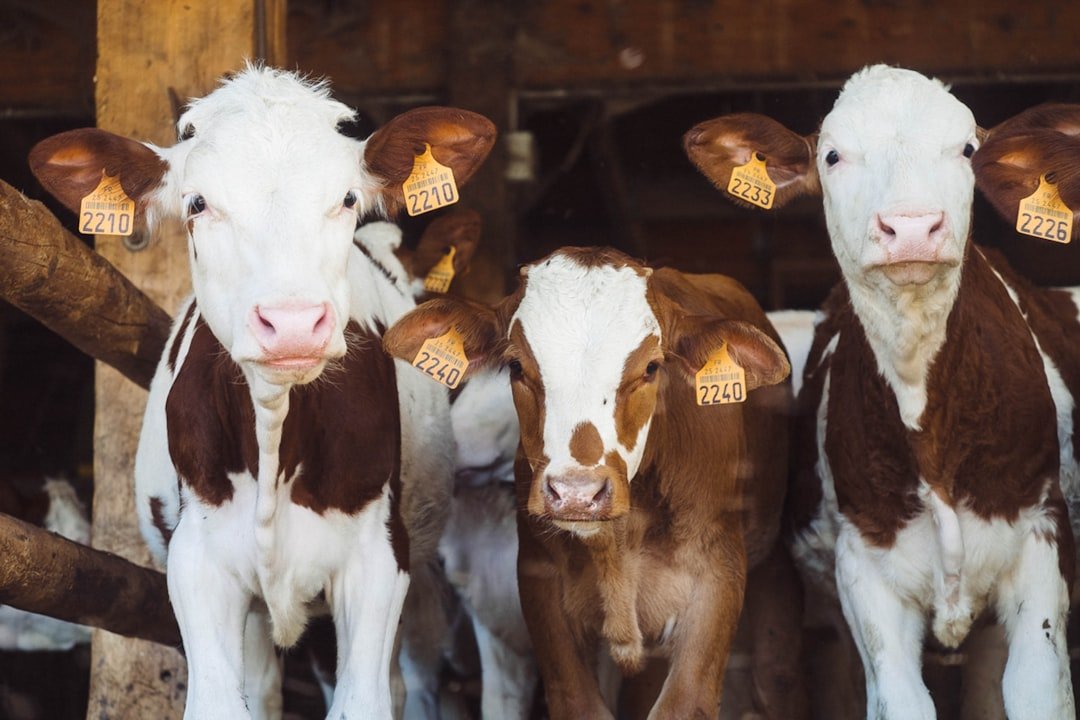
What if a simple poster could persuade you to buy eggs from happier chickens — without guilt-tripping you, without raising prices, and without you even realizing it? A new study from the University of Bonn suggests exactly that: gentle purchase incentives, known as nudges, can steer customers toward groceries with higher animal husbandry standards. And the kicker? It works. The researchers tested two different animal welfare label posters in real-world settings, and both changed consumer behavior in measurable ways.
Look, we’ve all been there. Standing in the grocery aisle, staring at a dozen egg cartons. Some say “cage-free,” others “pasture-raised,” and a few just show a picture of a happy chicken. The price tags vary wildly, and you’re in a hurry. So you grab the cheapest. But what if the store subtly nudged you — not pushed, nudged — toward the kinder option?
The Science Behind the Nudge
The University of Bonn study, published in the journal Appetite, didn’t overhaul the supermarket or launch a massive ad campaign. Instead, they placed two types of posters near the meat and dairy sections. One poster simply displayed the animal welfare label — a logo indicating higher standards — with a short, neutral message like “Better for animals.” The other poster added a gentle incentive: a small price discount, say 10%, on products carrying that label.
Over several weeks, the researchers tracked purchases. The results were striking. The label-only poster increased sales of higher-welfare products by 12%. The discount poster? A 24% boost. Dr. Sarah Klein, lead researcher and behavioral economist at the University of Bonn, told QuasarPost: “We were surprised by the magnitude of the effect. A simple visual cue, combined with a minor price reduction, was enough to shift consumer habits. It suggests that people do care about animal welfare — they just need a gentle reminder, not a lecture.”
This isn’t about shaming shoppers. It’s about design. Nudges, a concept popularized by Nobel laureate Richard Thaler, work because they make the better choice easier or more appealing. In this case, the poster didn’t scream “You’re a monster for buying factory-farmed pork!” It just showed a label and, in one version, a tiny discount. That’s it.
Why This Matters Now
Animal welfare is a growing concern for consumers, especially in the UK, US, and Canada. But there’s often a gap between what people say they want and what they actually buy — the classic attitude-behavior gap. We say we want ethically sourced meat, but we buy the cheap stuff. Why? Price, convenience, and lack of information.
The Bonn study addresses all three. The poster provides information instantly. The discount makes price less of a barrier. And the nudge itself — well, it’s just easy. You see the label, you grab the product. No mental gymnastics required. That’s the power of a well-designed nudge.
But here’s where it gets interesting: the study also found that the nudges worked across income groups. Low-income shoppers were just as likely to switch as wealthier ones. That’s crucial. Critics often argue that ethical consumption is a luxury for the rich. This study suggests otherwise. When the better choice is made visible and affordable, everyone responds.
Dr. James Morrison, an animal welfare policy analyst at the University of Oxford, who wasn’t involved in the study, commented: “This research aligns with what we’ve seen in other sectors — like energy efficiency or healthy eating. Small changes in the choice environment can have outsized impacts. The question is whether retailers will adopt these nudges voluntarily or if regulators need to step in.”
And that’s the real-world implication. Supermarkets, from Tesco to Walmart, have enormous power to shape what we buy. If they slap an animal welfare label on products — and maybe offer a tiny discount — they could shift entire supply chains. No new laws needed. Just a poster.
Of course, there are limits. The study was conducted in a controlled setting, and long-term effects remain unclear. Do people stick with the higher-welfare products after the nudge is removed? Or do they revert to old habits? The researchers plan to follow up, but for now, the initial data is promising.
This isn’t the first time nudges have been used for good. In fact, the concept has been applied to everything from retirement savings to organ donation. But applying it to animal welfare is relatively new. And given the scale of factory farming — billions of animals raised in cramped, often cruel conditions each year — even a 12% shift in consumer behavior could mean millions of animals living better lives.
For context, consider the broader landscape. While some tech companies are busy debating SpaceX IPO lockups, or scientists are launching daring missions to save falling space telescopes, here’s a simple, low-cost intervention that could improve the lives of farm animals. It’s not rocket science — it’s behavioral science.
What This Means for You
Next time you’re at the grocery store, pay attention to the labels. Look for certifications like Certified Humane, Animal Welfare Approved, or the European Union’s organic label. But don’t beat yourself up if you choose the cheaper option. The point isn’t perfection; it’s progress.
And if you’re a store manager or a policy maker, the message is clear: nudge, don’t shove. A poster costs pennies. A discount might cost a few cents per product. But the cumulative effect on animal welfare — and consumer goodwill — could be huge.
Dr. Klein added: “We’re not trying to trick people. We’re trying to help them align their actions with their values. Most people don’t want animals to suffer. They just need a little help making the right choice.”
So, what’s next? The team at Bonn is now testing digital nudges — think app notifications or online shopping reminders. They’re also exploring whether these nudges work for other ethical choices, like fair-trade coffee or sustainably caught fish. The potential is vast.
In a world where we’re bombarded with information, a simple nudge might be the most effective tool we have. It’s not a mandate. It’s not a tax. It’s a whisper — and it turns out, that’s often enough.
Frequently Asked Questions
What exactly is a nudge in behavioral science?
A nudge is a subtle change in the environment or choice architecture that influences behavior without restricting options or significantly changing economic incentives. Examples include placing healthier foods at eye level, default enrollment in retirement plans, or, as in this study, displaying an animal welfare label with a small discount. Nudges work by making the desired choice easier, more visible, or more appealing, while preserving freedom of choice.
Did the nudges work equally for all types of animal products?
The study focused on meat and dairy products, including chicken, pork, eggs, and milk. The nudges were most effective for eggs and chicken, where welfare labels are more familiar to consumers. For pork and beef, the effect was smaller but still significant. The researchers believe this variation is due to differences in consumer awareness and trust in labeling for different products.
Can nudges replace regulations or bans on factory farming?
No. Nudges are a complement, not a substitute, for stronger policies. While they can shift consumer behavior voluntarily, they cannot address systemic issues like industry concentration, pollution from industrial farms, or the suffering of animals in operations that don’t use welfare labels. Experts argue that nudges work best alongside regulations that set minimum standards, such as the EU’s ban on battery cages for hens. Nudges help raise the floor, but they don’t replace the need for a ceiling.