







“This heatwave is not just uncomfortable — it’s dangerous,” says Dr. Sarah Johnson, a meteorologist with the National Oceanic and Atmospheric Administration (NOAA). “We’re looking at potentially record-breaking temperatures that could strain power grids and threaten lives.” As the United States prepares to celebrate its 250th birthday on July 4th, a massive heat dome is settling over much of the country, bringing extreme temperatures that forecasters warn could break all-time highs from the Pacific Northwest to the Gulf Coast.
The timing couldn’t be more ironic. Americans are gearing up for barbecues, parades, and fireworks — and NASA’s Chandra X-ray Observatory has even released a special image in red, white, and blue to mark the occasion. But the real fireworks may come from the sky in a less celebratory form: a blistering heatwave that’s expected to peak just as millions of people head outdoors.
A Historic Heatwave for a Historic Weekend
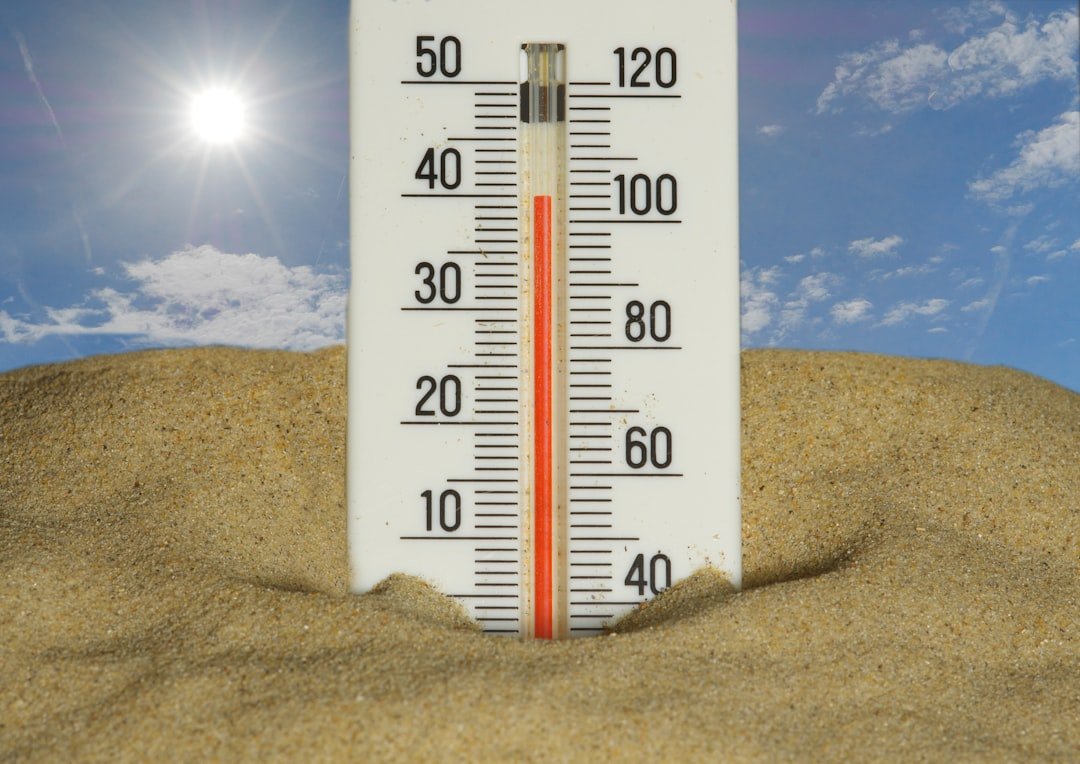
This isn’t your average summer hot spell. The National Weather Service has issued excessive heat warnings and heat advisories for over 100 million people across 30 states. The heat dome — a stubborn high-pressure system that traps hot air like a lid on a pot — is predicted to send thermometers soaring past 100°F (38°C) in cities like Phoenix, Dallas, and St. Louis. Even normally temperate regions like the Pacific Northwest, which suffered deadly heat in 2021, are bracing for three-digit temperatures.
Dr. Michael Chen, a climate scientist at Stanford University, explains the mechanics: “A heat dome forms when strong, persistent high pressure traps warm air beneath it. The air compresses and heats up, and without any relief from clouds or rain, it just keeps getting hotter. What’s different this year is the immense scale and the fact that it coincides with a massive holiday exodus.” The timing is particularly treacherous because people will be traveling, cooking outdoors, and spending long hours in direct sunlight — activities that increase heat exposure and dehydration risk.
And we’re not just talking about discomfort. Heat is the deadliest weather-related hazard in the United States, killing more people annually than hurricanes, tornadoes, and floods combined. The upcoming heatwave could strain emergency medical services, overload power grids as air conditioners run nonstop, and cause crop damage in agricultural regions.
The Science Behind the Sizzle
This heatwave isn’t happening in a vacuum. It’s the latest data point in a longer-term trend that climate scientists have been tracking for decades. The planet’s average temperature has risen about 1.2°C since pre-industrial times, and that extra heat energy is making heatwaves more frequent, longer, and more intense. A study published last year in Nature Climate Change found that human-caused climate change made the 2021 Pacific Northwest heatwave at least 150 times more likely.
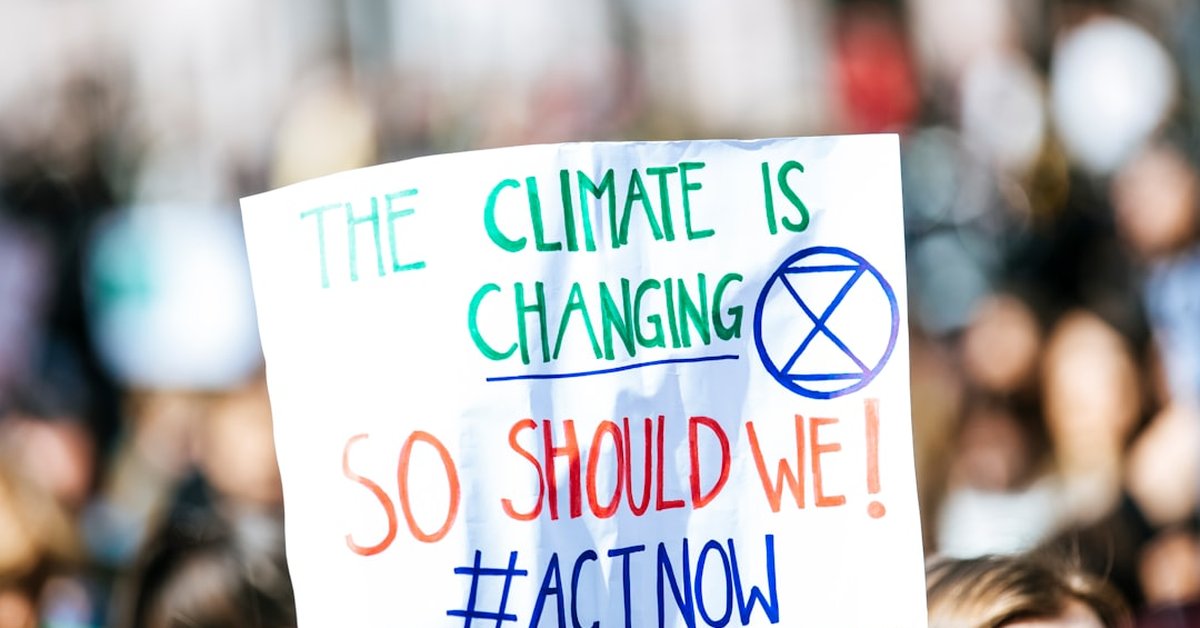
Dr. Chen puts it bluntly: “This is what climate change looks like. The fingerprints are all over it. We’re seeing heatwaves that would have been virtually impossible in a world without global warming.” The current event is expected to last several days, with overnight lows offering little relief — a situation that’s particularly dangerous for vulnerable populations like the elderly, those without air conditioning, and people with chronic health conditions.
To put the scale in perspective, the CDC’s Extreme Heat Guide notes that heat-related deaths are largely preventable with proper hydration, cooling, and awareness. But when millions of people are simultaneously exposed to record-breaking temperatures, even small failures in infrastructure or personal preparation can lead to catastrophic outcomes. This is why local officials are opening cooling centers and urging residents to check on neighbors.
Health Risks: More Than Just Discomfort
The human body has remarkable cooling mechanisms — sweating, increased blood flow to the skin — but they have limits. When the heat index (a combination of temperature and humidity) exceeds 103°F (39°C), the risk of heat exhaustion and heat stroke skyrockets. Symptoms include dizziness, nausea, confusion, and loss of consciousness. Left untreated, heat stroke can cause organ failure and death within minutes.
And here’s a lesser-known angle: extreme heat also affects us at the cellular level. Prolonged exposure to high temperatures can trigger oxidative stress and damage mitochondria — the power plants inside our cells. As emerging research suggests, heat stress and a sedentary lifestyle may compound each other, making people more vulnerable to fatigue and long-term health issues. It’s not just about staying cool — it’s about protecting your internal machinery.
Dr. Johnson emphasizes the importance of hydration and taking breaks: “People underestimate how quickly they can get into trouble. They think, ‘I’ll just push through.’ But once your core temperature rises past a certain point, it’s hard to bring it back down. Especially if you’re out in the sun drinking alcohol or sugary drinks.”
What This Means for Your Holiday Plans
So, what should you do? First, adjust your schedule. If you’re planning a barbecue or fireworks viewing, aim for late evening when temperatures drop — though even nighttime temperatures may stay in the 80s in some areas. Stay indoors during peak heat hours (typically 10 a.m. to 4 p.m.). Drink plenty of water, wear light clothing, and never leave children or pets in parked cars — even for a few minutes.
Second, check on your power supply. The strain on the electrical grid could lead to rolling blackouts. Charge your devices early, have backup batteries, and consider locating a cooling center nearby if your home lacks air conditioning. The Department of Energy has resources for checking your local weather forecast and power outage alerts.
Third, be mindful of those around you. Not everyone has the luxury of escaping the heat. Homeless populations, outdoor workers, and elderly people living alone are especially at risk. Dr. Chen says, “Climate resilience is a community responsibility. If you can help someone get to a cooling center, or just bring them a bottle of water, you could save a life.”
This heatwave will be a test — of our infrastructure, our preparedness, and our collective ability to adapt to a warming world. It’s also a reminder that celebrations, no matter how historic, must be balanced with safety. The 250th birthday of the United States should be memorable for all the right reasons.
Looking ahead, climate models suggest that heatwaves like this one will become the new normal. That means cities need to invest in heat-resilient infrastructure — cool roofs, green spaces, better emergency response systems — and individuals need to build heat awareness into their daily lives. The next heatwave might not wait for a holiday weekend.
Frequently Asked Questions
Which areas will be most affected by the heatwave?
The heat dome will primarily impact the central and southern United States, including major cities like Phoenix, Dallas, Houston, St. Louis, and Oklahoma City. However, the Pacific Northwest and parts of the Midwest are also under heat advisories, with temperatures expected to reach 100°F or higher in some places.
How can I stay safe during the heatwave while celebrating the 4th of July?
Stay hydrated with water, avoid alcohol and caffeine, limit outdoor activity during peak heat (10 a.m.–4 p.m.), wear light-colored and loose clothing, and take frequent breaks in air-conditioned spaces. Never leave people or pets in parked cars. Check on elderly neighbors and family members.
Is this heatwave directly caused by climate change?
While no single weather event can be attributed entirely to climate change, scientists have shown that human-caused global warming makes heatwaves more frequent, intense, and longer-lasting. The current heat dome is consistent with climate projections, and studies indicate that events like these are now more likely due to rising global temperatures.