








Nineteen days. That’s all it took for an invisible virus to travel from a bat’s wing to a boy’s brain, ending a life that could have been saved with a single dose of vaccine. In late September 2024, an 11-year-old boy in Ontario, Canada, woke to find a bat clinging to his face. He swatted it away. No visible bite. No scratch. No blood. So his family did what most of us would do: nothing.
Nineteen days later, he started showing rabies symptoms — fever, agitation, difficulty swallowing. By the time doctors connected the dots, it was too late. He was admitted to hospital, placed on supportive care, and died 17 days later.
This case, reported by the BBC and local health officials, is a stark reminder that rabies is not a disease of the past. It lurks in the shadows of our bedrooms — and when it strikes, it is nearly 100% fatal.
The Silent Scourge: Rabies in North America
Rabies kills roughly 59,000 people globally each year, according to the World Health Organization. But in North America, thanks to widespread pet vaccination and post-exposure prophylaxis, human cases are vanishingly rare. The United States sees only one to three cases annually; Canada averages about one per decade.
“We tend to think rabies is a Third World problem,” says Dr. William Schaffner, professor of infectious diseases at Vanderbilt University Medical Center. “But this case proves that the virus is still circulating in North American bat populations — and it can find its way to a human host in seconds.”
Most human rabies cases in the U.S. and Canada are linked to bats. Unlike raccoons or skunks, bats can transmit the virus through a bite so small it leaves no noticeable mark. Their teeth are needle-thin. A child sleeping with an open mouth, as the Ontario boy was, is especially vulnerable.
A Perfect Storm of Misinformation and Bad Luck
The boy’s parents didn’t seek medical help because they saw no injury. That’s a common misconception — many believe rabies transmission requires a deep bite or visible wound. In reality, the virus can enter through mucous membranes: eyes, nose, mouth. Even a lick or a scratch from an infected animal can suffice.
“This boy’s case is tragic but entirely predictable,” says Dr. Catherine Brown, an epidemiologist specializing in zoonotic diseases at the Massachusetts Department of Public Health. “We’ve known for decades that any bat in a sleeping room requires urgent medical evaluation. But that message hasn’t broken through to the general public.”
Bats are increasingly venturing into human spaces. Warmer winters and shifting habitats — partly driven by climate change — may be expanding their range. In fact, the same environmental pressures that push deadly bird flu into backyard flocks are also altering bat behavior. But unlike bird flu, which has a low human fatality rate, rabies is a guaranteed death sentence once symptoms appear.
From Bat to Brain: The Clinical Timeline
The incubation period for rabies is variable — usually 1 to 3 months — but can be as short as 10 days. Its speed depends on the viral dose and proximity to the central nervous system. In the Ontario boy’s case, the virus likely entered through the nasal or oral mucosa, giving it a direct path to the brain.
First symptoms are often mistaken for flu: fever, headache, malaise. Then come the classic signs: hydrophobia (fear of water), aerophobia, agitation, and paralysis. Once these appear, there is no cure. The Milwaukee Protocol — an experimental treatment that uses induced coma and antivirals — has succeeded in only a handful of cases worldwide. Most patients die within 14 to 21 days.
“By the time parents realize something is seriously wrong, the virus has already infected the brainstem,” Schaffner says. “The window for intervention is measured in hours, not days.”
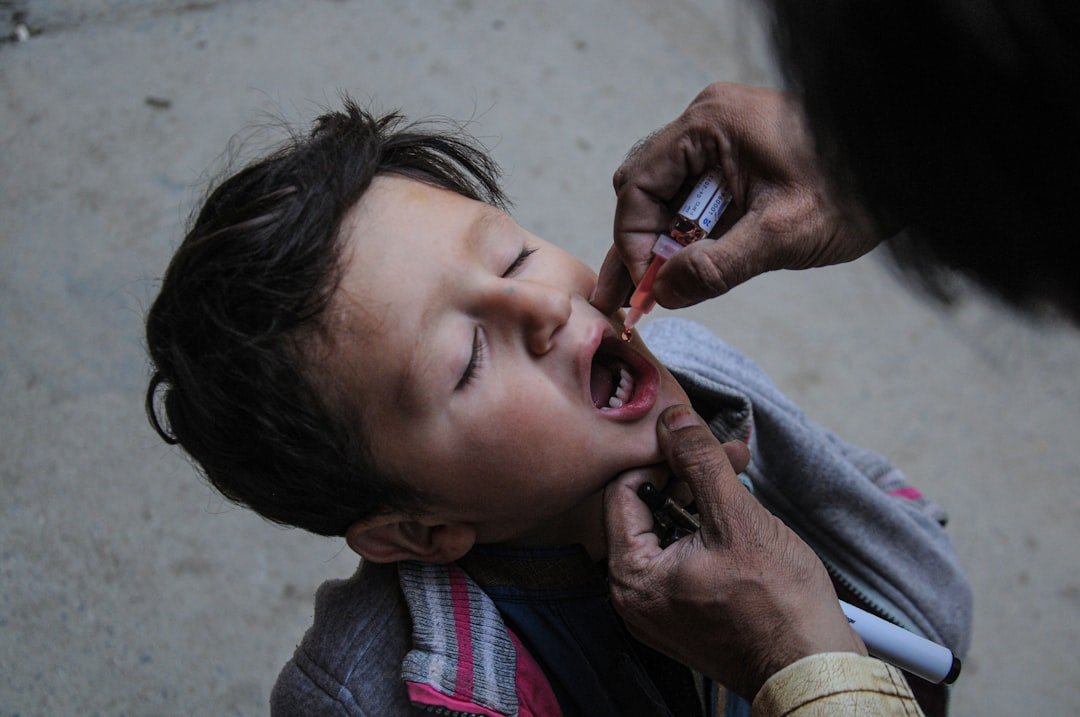
Post-exposure prophylaxis (PEP) — a series of shots including rabies immune globulin and a vaccine — is nearly 100% effective if given before symptoms begin. But the key is starting immediately after exposure. For the Ontario family, that window was missed.
What This Means for You
Public health agencies are clear: if you wake up to a bat in your room — or find one in your child’s room — do not blow it off. Capture the bat safely if possible (wear thick gloves, use a container), and contact local health authorities for rabies testing. Exposed individuals should receive PEP regardless of whether a bite mark is visible.
The boy’s death has prompted Ontario health officials to launch a public awareness campaign. But the deeper lesson is about risk perception. We fear sharks, lightning, and plane crashes — events that kill dozens at most. Rabies kills nearly 60,000 people each year, and yet most of us think of it as a medieval disease.
It is not. It is here, carried by small winged creatures that share our attics and bedrooms. And in the right — or wrong — circumstances, it can kill a healthy 11-year-old in a matter of weeks.
As researchers continue to study emerging zoonotic threats, this case is a reminder that some old enemies remain just as dangerous. The next time a bat flies into your bedroom, don’t swat it away and go back to sleep. Call a doctor. That simple act could save your life.
Frequently Asked Questions
Why didn’t the family seek medical help after the bat encounter?
The boy’s parents saw no visible bite or scratch marks and assumed no injury occurred. Rabies can be transmitted through minor contact — including a lick or a touch to mucous membranes — so any physical contact with a bat should trigger immediate medical evaluation.
What are the early symptoms of rabies?
Early symptoms mimic a viral illness: fever, headache, fatigue, and sometimes nausea. As the virus progresses to the brain, specific neurological symptoms appear, such as hydrophobia (fear of water), aerophobia (fear of drafts), agitation, confusion, and eventually paralysis. Once symptoms begin, rabies is almost always fatal.
How is rabies prevented after potential exposure?
Post-exposure prophylaxis (PEP) involves a dose of rabies immune globulin (antibodies) given as soon as possible, followed by a series of four rabies vaccine shots over 14 days. PEP is highly effective if started before symptoms develop. The key is to seek care immediately after any bat contact, even without visible injury.