






“The Strawberry Moon is a beautiful reminder that our closest celestial neighbor still holds surprises – its orbit, its phases, and its cultural significance connect us to ancient rhythms.”
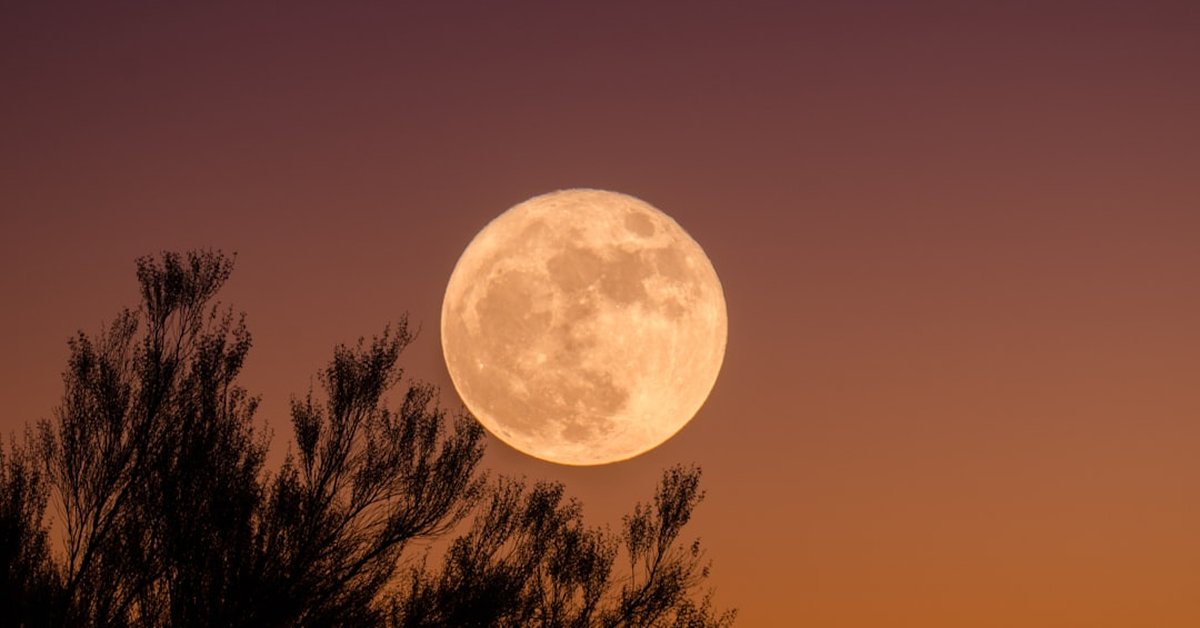
Dr. Emily Carter, lunar scientist at the UK Space Agency, isn’t exaggerating. This week, the first full Moon of astronomical summer will rise across UK skies, painting the night with a soft, golden glow. Known as the Strawberry Moon, it’s not actually pink – the name comes from Algonquin tribes who saw it as a signal to start harvesting wild strawberries. But the science behind it? That’s just as sweet.
What Makes the Strawberry Moon Special?
The full Moon occurs when Earth sits directly between the Sun and the Moon, with the Moon’s face fully illuminated. On June 21, 2025, at precisely 8:10 PM BST, the Moon will reach its peak fullness. For skywatchers across the UK, that means prime viewing – just after sunset, when the Moon rises in the east.
“It’s the lowest full Moon of the year in the Northern Hemisphere,” explains Dr. Carter. “Because the summer solstice just passed, the Sun is at its highest, and the Moon – opposite the Sun – is at its lowest. That makes it appear larger and more amber near the horizon, thanks to atmospheric scattering.”
This effect, called the “Moon illusion,” tricks our brains into thinking the Moon is bigger when it’s near the horizon. It’s not – but who cares when it looks that stunning? Grab your binoculars or just step outside. No telescope required.
For those who missed it, don’t worry: the Moon will appear full for a day or two on either side. But the exact moment? That’s a celestial appointment you don’t want to reschedule.
A History Written in Stone – and Strawberries
The Strawberry Moon isn’t just a pretty face. Indigenous peoples across North America used lunar phases to track seasons. The Maine Farmers’ Almanac popularized these names in the 1930s, but the tradition is far older. Other cultures call it the Rose Moon, the Honey Moon, or the Mead Moon – the latter tied to the ancient tradition of marrying in June, when honey was fermented into mead.
But here’s a twist: the Moon’s orbit isn’t a perfect circle. It’s elliptical, meaning its distance from Earth varies. This month, the Moon is near apogee – its farthest point – so it won’t be a “supermoon.” That’s okay. A regular full Moon still outshines anything in the night sky, except maybe the International Space Station on a good pass.
Speaking of space, the Strawberry Moon coincides with a busy week in astronomy. Just days earlier, the close-up images of Ganymede from the Juno mission revealed stunning changes in its icy surface – a reminder that our solar system’s moons are dynamic worlds, not dead rocks. And if you’re into engineering marvels, check out how reusable rockets survive cryogenic thermal cycles – talk about a deep freeze gauntlet.
How to Watch the Full Strawberry Moon
Step one: look up. Step two: pick a spot with low light pollution – a park, a hill, even your garden if the streetlights are dim. The Moon rises in the east around sunset, so timing is key. In London, sunset is at 9:21 PM; the Moon rises at 9:08 PM. That’s a tight window, but the show lasts all night.
“For the best view, find an elevated location with a clear eastern horizon,” says Dr. James Morrison, an astronomer at the Royal Observatory Greenwich. “The Moon will appear huge for the first hour after rising. Take a photo – but use a tripod. Your phone’s night mode can actually capture the craters if you hold it steady.”
Weather-wise, the UK Met Office forecasts partly cloudy skies for most of England and Wales, with clearer conditions in Scotland and Northern Ireland. Check your local forecast, but don’t let a few clouds stop you. They can add drama to the view.
And if you miss it? The next full Moon – the Buck Moon – rises on July 21. But summer’s first full Moon only comes once.
What This Means for You – and for Science
Full Moons have practical implications beyond Instagram. Tides are higher during full and new Moons – called spring tides – because the Sun and Moon align to pull oceans harder. Coastal communities in the UK, especially along the Bristol Channel and North Sea, should be aware of higher-than-normal tides this week.
But there’s a deeper cosmic context. The Moon is slowly drifting away from Earth – about 3.8 centimeters per year. In 50 billion years, a total solar eclipse will no longer be possible. That’s a long way off, but it’s a humbling thought. Our Moon is a temporary companion, a rock that stabilizes Earth’s tilt and orchestrates our seasons.
“Every full Moon is a reminder of the clockwork mechanics of the solar system,” says Dr. Carter. “But it’s also a chance to pause, look up, and feel small – in a good way.”
So go ahead. Step outside. Let the Strawberry Moon wash over you. It’s been doing that for billions of years, and it’s not stopping now.
Frequently Asked Questions
Why is it called the Strawberry Moon?
The name originates from Algonquin tribes in northeastern North America, who used it to mark the short strawberry harvesting season. European settlers adopted the name, and it was popularized by the Maine Farmers’ Almanac in the 1930s. Other cultures call it the Rose Moon or Honey Moon.
Will the Strawberry Moon actually look pink or red?
No – despite the name, the Moon itself won’t change color. However, when it’s low on the horizon, atmospheric scattering can give it a warm amber or golden hue. That’s the same effect that makes sunsets red. No strawberries required.
Can I see the Strawberry Moon from the Southern Hemisphere?
Yes, but it won’t be as low in the sky. In the Southern Hemisphere, the June full Moon occurs during winter, so it sits higher – opposite the low Sun. It’s still a full Moon, just with a different seasonal tilt. No special name down under, though – locals often call it the Long Night Moon.